
What Makes a Memory Care Community Feel Like Home?
A memory care community feels like home when it combines familiar surroundings, predictable routines, consistent caregivers, comfortable living spaces, personal belongings, and individualized attention. For people living with Alzheimer’s or another form of dementia, these elements can reduce unnecessary confusion while creating a stronger sense of comfort, familiarity, security, and belonging.
At Mayberry Gardens, memory care is built around a family-style approach rather than an institutional atmosphere. Smaller environments allow caregivers to know residents as individuals, including their preferences, routines, personalities, histories, and changing needs. The goal is not simply to provide a safe place to live. It is to create a setting where residents can experience meaningful days, familiar rhythms, personal connections, and the dignity of being known. For families searching for memory care, understanding what makes a community truly feel like home can help them look beyond amenities and focus on the everyday details that have the greatest impact on their loved one.
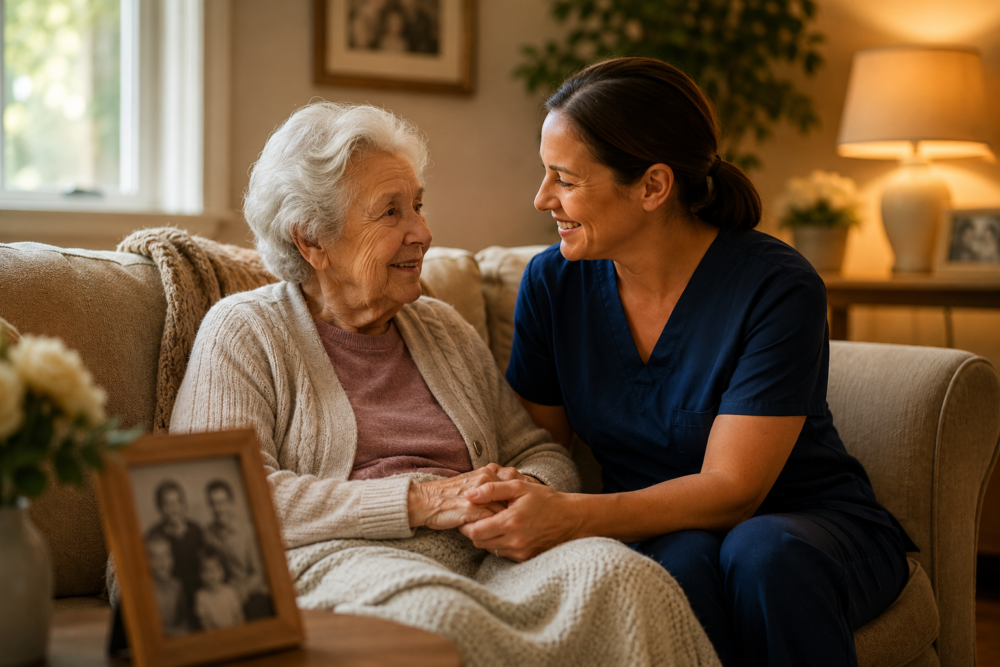
Creating a Comfortable, Familiar Memory Care Environment
The best memory care environments balance safety, familiarity, consistency, and personalized support. This is especially important because dementia can affect memory, judgment, communication, orientation, and a person’s ability to complete familiar tasks.
According to the Alzheimer’s Association, more than 7 million Americans are living with Alzheimer’s, and that number is projected to rise to nearly 13 million by 2050. As more families navigate dementia care, creating supportive environments that preserve familiarity and personal identity becomes increasingly important.
Why Do Smaller Memory Care Environments Feel More Comfortable?
Smaller environments can make daily life easier to understand and navigate.
Large, busy settings may involve more hallways, unfamiliar faces, noise, and activity. A smaller family-style setting can offer a more manageable environment where residents encounter familiar caregivers and recognizable spaces throughout their day.
For a person with dementia, that can mean:
- Fewer overwhelming distractions
- More opportunities for one-on-one interaction
- Familiar faces throughout the day
- Easier-to-navigate living spaces
- A stronger sense of community
The Alzheimer’s Association recommends that families evaluating long-term dementia care consider whether spaces are easy to navigate, promote independence, provide safe indoor and outdoor areas, and allow residents to bring familiar belongings.
Mayberry Gardens’ family-style model naturally supports this more personal approach. Instead of trying to make residents fit into a large institution’s rhythm, care can center more closely on the people who live there.
How Do Familiar Possessions Help Someone With Dementia?
Familiar belongings can provide comfort and help a new living space feel personally meaningful.
Family photographs, a favorite quilt, a familiar chair, artwork, books, and treasured keepsakes can make a resident’s room feel less like an unfamiliar care setting and more like their own space.
Familiarity matters when someone is experiencing memory loss. The National Institute on Aging recommends using familiar objects and personal spaces in dementia care. It also notes that people with Alzheimer’s can benefit from having dedicated places for meaningful personal belongings.
When helping a loved one move into memory care, families can consider bringing:
- Favorite family photographs
- Familiar bedding or blankets
- A comfortable chair, when permitted
- Meaningful decorations
- Favorite music
- Religious or spiritual items
- A few recognizable objects connected to hobbies or past routines
The goal is not to recreate an entire previous home. Instead, choose recognizable possessions that communicate something important: This space belongs to you.
Why Are Consistent Caregivers So Important in Memory Care?
Consistent caregivers have opportunities to learn the small details that make personalized dementia care possible.
Over time, caregivers can become familiar with how a resident communicates, what helps them feel comfortable, which activities they enjoy, when they prefer to rest, and what may cause frustration. That knowledge can make everyday interactions more personal.
Consistency also creates familiarity. Even when a resident cannot remember a caregiver’s name, repeated positive interactions can help make daily life feel more recognizable.
Personalized support is especially important because Alzheimer’s affects people differently and abilities can change over time. The National Institute on Aging recommends matching activities and assistance to what a person can currently do, helping when necessary while supporting independence whenever possible.
This is one of the advantages of Mayberry Gardens’ family-style approach. Care is about knowing the resident, not simply completing a checklist.
How Do Daily Routines Help Memory Care Residents Feel at Home?
Predictable routines can make the day feel more manageable for someone living with dementia.
Home has rhythms. We wake up, eat meals, relax, participate in favorite activities, and go to bed in patterns that become deeply familiar. Preserving those rhythms can provide valuable structure when memory and orientation become more difficult.
The National Institute on Aging recommends maintaining familiar routines when caring for people with Alzheimer’s. For example, its guidance suggests keeping eating, resting, and bedtime schedules consistent during travel and serving meals in a consistent place, way, and time.
Helpful routines may include:
- Consistent morning and bedtime schedules
- Regular meal and snack times
- Familiar activities during preferred times of day
- Predictable periods for rest
- Consistent approaches to personal care
Routine should not mean rigidity. Good memory care combines dependable structure with flexibility based on how the resident is feeling that day.
What Should Families Look for When Touring a Memory Care Community?
Look beyond attractive décor and ask yourself, “Can I imagine my loved one feeling comfortable here every day?”
A beautiful lobby matters far less than what everyday life feels like for residents.
During a tour, notice whether:
- Caregivers interact warmly and naturally with residents.
- Residents appear comfortable in shared spaces.
- Rooms can be personalized with familiar belongings.
- The environment is calm and easy to navigate.
- Meals and activities have familiar routines.
- Caregivers know residents’ preferences and personalities.
- There are comfortable places for families to visit.
- Individual abilities and independence are supported.
The Alzheimer’s Association specifically recommends evaluating navigation, safety, room comfort, familiar belongings, dining environments, personal schedules, family participation, and how care adapts as a resident’s needs change.
Families should also ask how caregivers learn about a new resident. A strong memory care community should want to know more than a medical history. Favorite foods, former occupations, hobbies, music, family traditions, sleep habits, and personality can all help caregivers understand the person behind the diagnosis.
FAQ: Helping Memory Care Feel More Like Home
What should I bring when a loved one moves into memory care?
Bring a manageable selection of familiar, meaningful belongings such as photographs, favorite bedding, keepsakes, artwork, and other recognizable items. Check with the community first regarding furniture, valuables, and items that could create safety concerns.
How long does it take to adjust to memory care?
There is no universal adjustment period. Dementia affects every person differently, so some residents settle into new routines relatively quickly while others need more time, reassurance, and personalized support.
Is routine good for someone with dementia?
Yes. Consistent daily patterns can make activities easier to anticipate and reduce unnecessary changes. The National Institute on Aging recommends maintaining familiar routines and consistent meal practices for people with Alzheimer’s.
What is most important when choosing a memory care community?
Prioritize safety, personalized care, caregiver relationships, an easy-to-navigate environment, meaningful activities, comfortable spaces, and routines tailored to the individual. The best community should address your loved one’s care needs while treating them as a unique person.
A Place to Receive Care, and a Place to Belong
For someone living with dementia, home is more than an address. It can be a familiar photograph beside the bed, a favorite song playing after lunch, a caregiver who understands a preferred routine, or a comfortable chair where family members can sit together.
That is why Mayberry Gardens’ family-style memory care model focuses on smaller environments, personal relationships, familiar routines, comfortable spaces, and individualized attention. These everyday details help create something families deeply value: a community where their loved one can be supported, known, and cared for as an individual.
Looking for memory care that feels more personal and home-like? Contact Mayberry Gardens to learn more, ask questions, or schedule a visit.