
How Can You Make Thanksgiving Dinner Easier for Someone With Dementia?
To make Thanksgiving dinner more comfortable for someone with dementia, keep the gathering small, reduce background noise, serve familiar foods, and maintain their usual routine as much as possible. Plan the meal around their most comfortable time of day, provide a quiet place to rest, and avoid overwhelming activities. Simple adjustments can help your loved one feel included, relaxed, and supported throughout the holiday.
The holidays are a meaningful time for families, but Thanksgiving gatherings can present unique challenges when a loved one is living with Alzheimer’s disease or another form of dementia. Changes in routine, unfamiliar faces, crowded rooms, and loud conversations may cause confusion, anxiety, or fatigue.
At Mayberry Gardens, we understand how important family connections and familiar traditions are for older adults. Our family-style approach to assisted living and memory care emphasizes personalized attention, comfortable surroundings, and meaningful daily experiences. We believe families should be able to enjoy special occasions together without feeling pressured to recreate every tradition exactly as it was.
With thoughtful planning and a little flexibility, Thanksgiving can remain a warm and enjoyable experience for everyone, including family members experiencing memory loss.
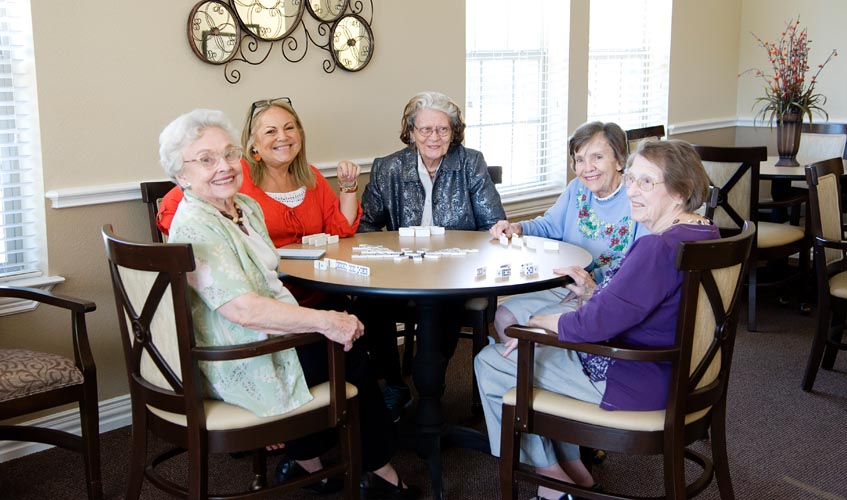
Dementia-Friendly Thanksgiving Tips for a Calm, Enjoyable Holiday
Creating a dementia-friendly Thanksgiving celebration does not mean giving up your family’s favorite traditions. Instead, it means adapting those traditions to your loved one’s current needs and abilities.
The following strategies can help reduce stress, encourage participation, and make the holiday more meaningful.
1. How Can You Reduce Confusion and Overstimulation During Thanksgiving?
The most effective way to prevent holiday overstimulation is to create a quieter, more predictable environment. Large gatherings, overlapping conversations, and constant activity can be difficult for someone with dementia to process.
Consider these practical adjustments:
- Limit the guest list. A smaller gathering may feel more manageable than a crowded celebration.
- Reduce background noise. Turn off the television during dinner and keep music at a comfortable volume.
- Provide a quiet retreat. Set aside a familiar room where your loved one can rest when needed.
- Introduce guests individually. Gently remind your loved one who people are without testing their memory.
- Keep decorations simple. Avoid flashing lights, excessive clutter, or unfamiliar arrangements.
The Alzheimer’s Association recommends adapting holiday celebrations to the abilities and preferences of people living with dementia.
Remember that a peaceful gathering with a few close family members can be just as meaningful as a large holiday celebration.
2. What Is the Best Time to Serve Thanksgiving Dinner to Someone With Dementia?
The best time for Thanksgiving dinner is when your loved one is typically most alert, comfortable, and receptive to social interaction.
Some individuals with dementia experience increased confusion or agitation later in the afternoon or evening. This pattern is sometimes called sundowning.
If your loved one tends to become tired or restless later in the day, consider serving Thanksgiving dinner at lunchtime rather than in the evening.
Additional planning tips include:
- Keep regular wake-up, medication, and rest schedules whenever possible.
- Avoid delaying meals significantly beyond normal eating times.
- Schedule family visits during your loved one’s most comfortable hours.
- Allow extra time for dressing, traveling, and getting settled.
- Keep the celebration shorter if your loved one becomes easily fatigued.
According to the National Institute on Aging, maintaining consistent daily routines can help people with Alzheimer’s disease feel more secure and reduce confusion.
A flexible Thanksgiving schedule allows your loved one to participate without becoming exhausted.
3. What Thanksgiving Foods Are Best for Someone With Dementia?
Familiar Thanksgiving foods can provide comfort and encourage positive memories, but meals should be adapted to your loved one’s eating abilities and dietary needs.
Traditional favorites such as turkey, mashed potatoes, sweet potatoes, and pumpkin pie may be enjoyable when prepared appropriately.
Consider these mealtime strategies:
- Serve smaller portions. A plate crowded with several foods may feel overwhelming.
- Offer familiar favorites. Recognizable flavors and aromas can make the meal more inviting.
- Simplify the table setting. Limit unnecessary utensils and decorations.
- Provide assistance discreetly. Offer help cutting food or using utensils when needed.
- Allow plenty of time. Avoid rushing or pressuring your loved one to finish eating.
For individuals experiencing chewing or swallowing difficulties, consult their healthcare provider or speech-language pathologist about appropriate food textures and safety precautions.
Thanksgiving dinner should feel like an opportunity to enjoy family time, not a situation where someone feels pressured to eat or behave a certain way.
4. How Can You Include Someone With Dementia in Thanksgiving Traditions?
People living with dementia can often continue participating in meaningful holiday traditions when activities are simplified and matched to their abilities.
Rather than focusing on what your loved one can no longer do, look for ways to encourage comfortable participation.
Simple activities might include:
- Folding napkins or arranging place cards
- Looking through family photo albums
- Listening to favorite holiday music
- Helping stir ingredients with supervision
- Sharing a favorite Thanksgiving memory
- Sitting with grandchildren during a quiet activity
Avoid correcting your loved one if they repeat a story, forget someone’s name, or remember an event differently.
The goal is connection, not perfect conversation or participation.
At Mayberry Gardens, we recognize that familiar routines, personalized activities, and supportive interactions can help residents maintain a sense of belonging. These same principles can make family holiday gatherings more enjoyable.
5. What Should You Do if Your Loved One Becomes Upset During Thanksgiving?
If your loved one becomes anxious, confused, or overwhelmed, respond calmly and reduce stimulation rather than insisting they continue participating.
Watch for early signs of discomfort, including restlessness, withdrawal, irritability, or difficulty following conversations.
If these behaviors appear:
- Gently guide your loved one to a quieter area.
- Speak slowly using short, reassuring sentences.
- Offer water, a familiar activity, or an opportunity to rest.
- Avoid arguing or repeatedly explaining confusing situations.
- Consider ending the visit early if your loved one seems exhausted.
Sudden or unusually severe changes in behavior may indicate pain, illness, or another medical concern and should be evaluated by a healthcare professional.
A successful Thanksgiving does not have to last all afternoon. Sometimes a peaceful hour together creates the most meaningful memories.
Frequently Asked Questions About Thanksgiving and Dementia
Should someone with dementia attend a large Thanksgiving gathering?
It depends on their comfort level and stage of dementia. Smaller gatherings are often easier to manage, especially when loud conversations, unfamiliar guests, or long celebrations cause distress.
Can Thanksgiving decorations confuse someone with dementia?
Yes. Excessive decorations, flashing lights, and unfamiliar changes to the home may contribute to confusion. Choose simple decorations and keep important walking areas clear.
How do you handle a family member with dementia who doesn’t recognize relatives?
Introduce family members gently and naturally without asking your loved one to remember names. Focus on making them feel comfortable rather than correcting their memory.
Is it better to celebrate Thanksgiving at home or in a memory care community?
The best location is usually the one where your loved one feels most secure and comfortable. For some individuals, celebrating in their familiar memory care environment may be less stressful than traveling to a busy family gathering.
Make Every Season Feel More Like Home at Mayberry Gardens
Thanksgiving reminds us that the most meaningful family moments are often the simplest. A familiar meal, a favorite song, or a quiet conversation can bring comfort and connection to someone living with dementia.
At Mayberry Gardens, our compassionate team understands the importance of personalized memory care, familiar routines, and a welcoming, family-style environment.
Looking for a supportive memory care community where your loved one can feel comfortable, valued, and connected throughout the year? Contact Mayberry Gardens today to learn more about our personalized approach to senior living and schedule a visit.